
Our annual look at M&A sentiment around the world shows that the shift in acquisitive focus amongst businesses uncovered last year – from domestic to cross-border – is becoming increasingly popular as a key strategy for companies looking to facilitate growth.

Perspectivas y novedades
Filtrar por:
Mostrando 7 de 55 resultados
The rise of the cross-border transaction
Blog
Doing business in South Africa
Blog
The outlook has improved somewhat since the ANC’s Manguang conference at the end of last year. It is encouraging for business leaders to see the adoption of the national development plan, with various measures to tackle unemployment, poverty and inequality.
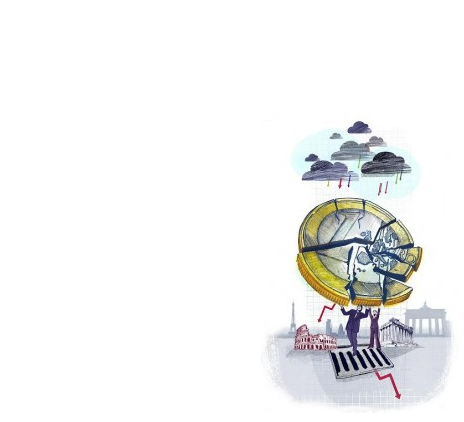
From Grexit to Brixit?
Blog
The United Kingdom Prime Minister, David Cameron, today set out a path by which the country could leave the European Union by 2017.

Raising the growth capital you need
Technology
On-going access to finance is a key issue for high-growth businesses. Those that lack financial firepower may find their growth constrained. Others may encounter problems with cash flow during day to day operations. At the same time the funding landscape has changed drastically since the financial crisis of 2008 – and continues to evolve.
China
INTERNATIONAL EXPANSION
China is the second largest economy in the world (although the largest on a purchasing power parity basis) and is home over 1.3 billion people. Growth has slowed over recent years as the government rebalances the economy away from investment towards consumption but remains well above 6% per annum. Here is some guidance about doing business in China and how it faired in the Global Dynamism Index 2015.
Brazil
INTERNATIONAL EXPANSION
Brazil is the seventh largest economy in the world and largest in Latin America. It has grown rapidly over the past decade due to an abundance of natural resources and a strong agricultural sector, swelling the middle classes, although investment in transport and power infrastructure are fundamental to ensure its continued economic development. Here is some guidance about doing business in Brazil and how it faired in the Global Dynamism Index 2015.